
This Week's Best Stories About Headphones
페이지 정보
작성자 Sheila 작성일23-12-16 12:44 조회17회 댓글0건관련링크
본문
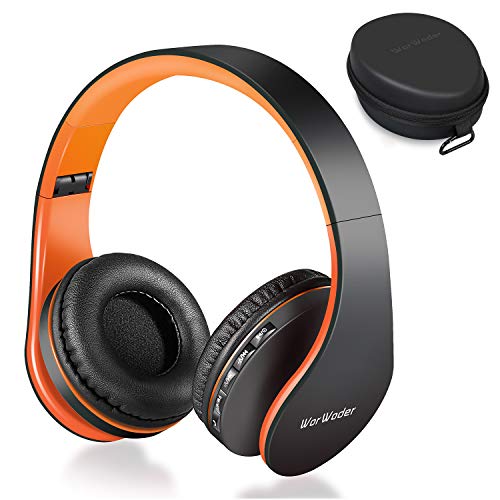 How to Choose the Best Headphones
Headphones are an excellent way to listen to music without disturbing anyone else. With so many options to choose from, it can be hard to pick the best pair for you.
Research has shown that listening to music at work can increase productivity. In addition, headphones aid in focusing by removing distractions.
Comfort
It is crucial to wear headphones that are comfortable enough to wear for prolonged periods of time. If the headphones aren't fitted properly, they can cause pain around the head or in the ears, especially when used for prolonged gaming sessions.
It is crucial to test them out before buying the headphones sony. The level of comfort will be contingent on the shape and size of your head. If you aren't able to test the headphones on your own, make sure to check the return policy of the retailer. Many retailers offer hassle-free exchanges and returns for items purchased online.
Headphones that are stuffed with padding and soft materials that feel nice to the touch usually provide a high level of comfort. The padding is essential for headphones that rest on your head and headphones with bluetooth ears. It helps to distribute pressure evenly. We seek padding that is thick, soft and uniformly smooth to the feel. Pads covered with soft and breathable velour, faux leather, or microfibre have a better chance of being comfortable than pads made from plastic, mesh fabric or foam.
The fitting of the earcups around the ears is also important. Fixed ear cups can cause discomfort in this area because they create a rigid and unnatural clamping force. This can lead to fatigue and pain after prolonged use. The most effective earcup design allows the pads to move vertically and laterally on the ears. This allows them to have some flexibility.
Avoid headphones that are too tight on the head as they can cause headaches. This can be due to the weight of the headphone hitting the scalp or a tight headband. It can also be caused by poorly designed ears that are not placed in the correct position. Similarly, headphones that have no padding can be uncomfortable after long-term use because the padding gets worn down or is moved around.
Noise-Cancelling
If you're serious about using headphones for listening to music, audiobooks or podcasts, as well as taking calls or focusing on work, noise cancelling is the best choice. These headphones come with ear cups that are specifically designed to block out any background noise. They are available in both over-ear and in-ear models. They have built-in microphones to enable you to communicate with others, as well.
The ability to block out noise from headphones are based upon two technologies that function in different ways. They are passive noise isolation and noise cancellation. Both can cut down background noise, however each has its own benefits and disadvantages.
The most common kind of noise cancellation is passive noise isolation, which creates the creation of a physical barrier to block out external noise. You've probably seen the big, bulky headphones that wrap around your ears and are padded to block out surrounding sounds. These headphones aren't as flexible and you can't remove them to hear the sounds around you.
In-ear and over-ear noise-canceling headphones are a bit more complicated, since the technology needs to be implemented into the ear cups and the electronics. Noise-canceling headsets feature processors and microphones that can detect the surroundings using sensors built into the. The microphones listen for sounds and analyze them using onboard software. The processors create a "fingerprint", and then generate an anti-soundwave, which is played back to block out the ambient noise.
This is accomplished by creating a wave 180 degrees out of phase with the sound coming in, so it blocks it out, so you only hear the audio. The anti-sound is fed to the headphones' speakers, which play it over the regular audio.
The most advanced headphones come with an onboard sensor that monitors the surrounding environment and adjusts noise cancellation according to. The amount of ANC can be adjusted using a slider in the headphones app or on the device itself. It can be turned off completely so that you can be aware of what's happening around you. This technology is the most effective at reducing low-frequency noises, such as the hum from airplane engines or traffic. Noise cancellation technology is not as effective at reducing higher-frequency sounds, such as a conversation, a sneeze or the hum of airplane engines.
Immersion
Headphones are electroacoustic transducers that are worn on or around the head over the ears of users to amplify and transmit audio signals. They allow one listener to listen to a source of sound at a distance without disturbing anyone else, as opposed to loudspeakers that broadcast sound for everyone to hear.
Headphone manufacturers design headphones wireless beats with various features to meet the needs of different users. Some headphones are equipped with microphones to allow two-way communication, as well as active noise cancellation that reduces the background sound when listening to music or using your mobile phone. Other types of headphones utilize high-end audio drivers that provide audiophile-level sound quality.
Certain models of headphones can be used with or without the use of a portable audio device, such as a home theater system, CD player or personal computer. They are usually small enough to fit in bags or carry-on luggage for travel, and they may be powered by batteries. They can be connected to other devices that have the standard headphone socket like mobile phones and personal digital assistants (PDAs).
Different types of headphones with bluetooth can mute ambient sounds by excluding them from the ear using active or passive noise cancellation. Noise isolation is a common feature in circumaural, over-ear and closed-back designs. Active noise cancellation is only available with closed-back headphones. Other types of headphones can block out external noises by vibrating the eardrums of the user such as bone conduction headphones.
In addition to their capacity to reproduce bass and sub-bass frequencies, headphones can also provide the sound quality that is superior to loudspeakers due to their direct coupling with the human ear. They are smaller and the diaphragms on earphones are often thinner than those of speakers and allow them to move more air in order to attain the same sound quality.
Bone conduction headphones don't feature the traditional headbands or ear cups, but instead use bone-conducting technologies to transfer audio frequencies from the ear's outer to the inner ear via the jawbone and cheekbone. They are an alternative to conventional headphones that can be used in noisy environments, like a library or on the plane.
Health
In a world crowded with products designed to draw your attention, headphones can help you keep out distracting sounds and focus on the task at work. This can improve your mood and make it easier to get through a boring task or day at the office.
Headphones can be used to listen to audiobooks and podcasts. They are a great option for those who are learning a language and need to hear the words being spoken. They are also good for people who have trouble falling asleep in a noisy setting.
However, there are a few health issues associated with headphones. Overly loud sounds may cause hearing damage, and long-term use of headphones could lead to tinnitus. The best way to prevent the effects of these is to limit the time you spend listening to music or other media using headphones, and to listen at a reasonable volume.
Many people have experienced vertigo or dizziness after using active noise cancelling headphones (ANC). The reason is the lack of environmental sounds could disrupt the balance mechanism inside your ears, which aids the brain to determine your body's location and movement in space.
You should consider if headphones are right for your workplace. Depending on the position you're in you may have to be able to interact with your colleagues or customers which can be difficult when you're wearing headphones. Additionally there are security issues with headphones when you're in the workplace.
Headphones can lead to shoulder, neck, and back problems if you wear them for long durations. You are prone to keep the device close to your head which can put unnecessary strain on your shoulders, neck, and back. Plantronics is a headset maker, found that headset users suffer from 35 percent more neck and shoulder strain than non-headset users.
A second problem with headphones is that they expose you to EMF radiation. Wireless headphones have the traditional plug that is plugged into an audio source and the sound then travels along the wires made of metal to plastic hubs which house speakers external to the. The jbl headphones emit a low energy type of electromagnetic radiation that can be harmful to your health. Air tube headphones are a brand new kind of headphone that could reduce your exposure to EMF radiation by eliminating the wires made of metal.
댓글목록
등록된 댓글이 없습니다.