
5 Reasons Espresso And Filter Coffee Machine Is Actually A Great Thing
페이지 정보
작성자 Gavin 작성일24-12-17 10:18 조회11회 댓글0건관련링크
본문
Espresso and Filter Coffee Machines
There are a variety of options for making espresso and coffee. You can pick a drip coffee machines-filter machine that's simple to use, or a superautomatic machine that can make any drink with a press of a button. It even steams your milk.
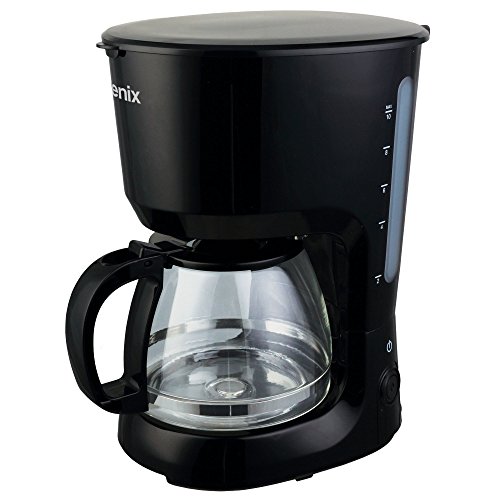 These machines regulate important espresso factors such as temperature and pressure. These variables are combined to give you the perfect espresso flavor.
Extraction
Espresso is brewed under pressure which allows the quick extraction of sugars and other water-soluble flavor compounds from the coffee grounds. This, along with the right grind dose, tamp, and grind allows you to make rich, full-bodied, coffee that has a fine and creamy layer of crema. For the best results, you want to extract the correct amount of solubles. This is known as your extraction rate. This value should be around 18 - 22% of your total brew weight, or around 30 to 40g of ground coffee per 100g of water.
If you have an extraction rate that is low your brew will taste weak and watery. It will also taste sour and acidic. If you increase it, you'll get bitter and salty or woody notes. The ideal espresso is acidic, fruity and has a sweet and nutty finish. A good espresso also has a mouthfeel which is heavy and thick.
To accomplish this, you'll have to make sure that your conditions are in harmony:
Your brew temperature should be around 94oC for filter coffee and 96oC to make espresso. You should also be able to control the brew-time as too little or excessive brew-time will result in different flavors.
Additionally, you must explore the quality and kind of your water. The pH and hardness of your water can affect the extraction process, and it's important to use spring or filtered water that is clear and neutral in mineral content. Water that is hard with a higher magnesium content may impart more earthy and woody notes as well as soft water with a high sodium content can leave behind a salty taste.
While espresso machines are designed to create very high pressures for water to pass through coffee grounds over the course of a few minutes filter coffee machine how to use coffee is brewed at atmospheric pressure over a longer period of time. This means that filter coffee isn't well-suited for espresso machines, however there are ways to make it work. For example, by using a basket with coarser ground which will allow the water to flow more easily through it. This will prevent the water from hitting barriers and causing turbulence. This could result in under-extraction.
You can also buy Aromatherapy products
The scent of espresso and filter coffee is due to the volatile compounds released during the brewing process. The higher water pressure of espresso machines allows for a faster extraction of the compounds which contributes more flavor and aroma to the cup. Filter coffee is dependent on gravity in order to slow the flow of water, allowing the oils to slowly release, resulting in an esoteric and less intense cup.
The flavor of the final cup is affected by the grind of the beans, and also the time of brewing. Filter coffee has a coarser grind, which helps prevent the clogging of the filter and allow for an even and consistent extraction. Espresso however, requires a finer grinding to make a smoother, more consistent drink.
Both brewing methods have their own benefits and drawbacks, but which one you pick will depend on your personal preference. Filter coffee tends to have an esoteric flavor that enhances the rich flavors and lessens acidity. However, espresso may be a little more bitter and intense in flavor, which some prefer.
When it comes to brewing coffee, the key elements are the brewing duration, temperature, and coffee-to water ratio. You can make the best coffee or filter coffee with the right equipment.
The French press is the most popular and versatile choice, as it can make espresso and filter coffee. This method is easy to use and can be done in 3 to 4 minutes. It is based on gravity that is the force that pulls water through the coffee beans. The French press is a great option for people who have limited space because it can easily fit into most kitchens.
The Espressione Espresso Machine is a semi-automatic machine for coffee that has six strengths ranging from mild to strong aroma and the option to make a double shot. It comes with a 19-bar pump and features an integrated milk frother to make creamy lattes and cappuccinos. It has a sleek modern design that can make top-quality espresso in under a minute. It also comes with a removable drip tray to empty and the cup warmer, so you can keep your coffee warm. In our tests the Espressione produced balanced, rich-tasting coffee with a nice layer of dark crema.
Flavor
The method of brewing espresso and filter coffee can create different flavors. The longer brewing process for filter coffee allows the delicate and subtle flavour notes of the beans to shine through, because of an extraction that is more balanced. The pressure that is high during espresso extraction however, draws out more oils, sugars and solids. This leads to more intense, a stronger flavor.
It's important to remember that the exact flavour profile of an espresso or filter coffee can be affected by the brewing gear, the water temperature and the roasting degree of the beans. It is essential to test various brewing equipments and methods to discover the perfect blend.
Filter coffee can be brewed in a variety of ways, but the most popular method is to pour hot water over ground coffee in a container with a metal or paper filter. Pour-over methods, such as the V60 or Chemex are also well-known methods for filter coffee brewing. Try experimenting with the proportion of coffee to water and brew time in order to create your unique flavours.
It is best to try different sizes of grinds and roast profiles when selecting filter coffees to determine what you enjoy. The majority of filter coffee drinkers begin with a lighter or medium roast before moving on to darker roasts to get the most complete experience.
The spherical shape of filter grounds of coffee is what differentiates it from espresso. It's also referred to as drop-dripped coffee. According to the Specialty Coffee Association (SCA) If brewed correctly, drop dripped filter beans should appear like warm honey with a dark golden crema on top.
As well as the difference in brewing methods, another major factor that differentiates espresso and filter coffee is caffeine. Espressos contain more caffeine than filter coffee because they are extracted by using high temperatures and pressures. Espressos can be up to 6 or 10 times more concentrated than regular coffee, which makes them a great morning drink for those who need an energy boost quickly.
Caffeine
Like the name implies espresso is a form of coffee that is made by pushing hot water under pressure through finely roasted beans. This creates a rich and concentrated beverage which can be used to make numerous coffee drinks like cappuccino. Espresso contains more caffeine than regular coffee.
Filter coffee is made using coarsely ground beans and then exposed to lower temperatures for a longer time. This results in a milder flavor profile and a more mellow mouthfeel. Espresso on the other hand requires an even finer ground coffee bean that is exposed to higher temperature and a shorter extraction time. This results in more intense, concentrated espresso shot that has a more full mouthfeel.
The volatile compounds that are extracted during the brewing process determine the taste of espresso and filter coffee. These compounds are influenced by the size and quality of the grind along with the temperature and time of extraction, and also the pressure of the water. To get the best filter coffee machine with timer drip coffee machine uk (Suggested Site) outcomes, it is crucial to use a high-quality grinder and measure the pressure of the water properly.
Alongside these elements in addition, the size of the mug as well as the amount of coffee drunk are additional influences on the final coffee's flavor and caffeine content. It is possible to make espresso using the standard filter. However, the beverage will be less flavorful and weaker.
Both espresso and filter contain caffeine, an alkaloid that is extracted from the Theobroma cacao. Caffeine is a psychoactive compound that affects the central nerve system by blocking certain brain receptors. This effect is responsible for the wakefulness associated with coffee drinking.
It is crucial to decide whether you would like an espresso machine or a filter coffee maker that does all the work, or the option to improve your skills and learn the art of making coffee. The Jura super-automatic machines are easy and quick, but they can also make it difficult to enjoy the brewing process. We recommend that beginners select the model that has temperature and strength control.
There are a variety of options for making espresso and coffee. You can pick a drip coffee machines-filter machine that's simple to use, or a superautomatic machine that can make any drink with a press of a button. It even steams your milk.
These machines regulate important espresso factors such as temperature and pressure. These variables are combined to give you the perfect espresso flavor.Extraction
Espresso is brewed under pressure which allows the quick extraction of sugars and other water-soluble flavor compounds from the coffee grounds. This, along with the right grind dose, tamp, and grind allows you to make rich, full-bodied, coffee that has a fine and creamy layer of crema. For the best results, you want to extract the correct amount of solubles. This is known as your extraction rate. This value should be around 18 - 22% of your total brew weight, or around 30 to 40g of ground coffee per 100g of water.
If you have an extraction rate that is low your brew will taste weak and watery. It will also taste sour and acidic. If you increase it, you'll get bitter and salty or woody notes. The ideal espresso is acidic, fruity and has a sweet and nutty finish. A good espresso also has a mouthfeel which is heavy and thick.
To accomplish this, you'll have to make sure that your conditions are in harmony:
Your brew temperature should be around 94oC for filter coffee and 96oC to make espresso. You should also be able to control the brew-time as too little or excessive brew-time will result in different flavors.
Additionally, you must explore the quality and kind of your water. The pH and hardness of your water can affect the extraction process, and it's important to use spring or filtered water that is clear and neutral in mineral content. Water that is hard with a higher magnesium content may impart more earthy and woody notes as well as soft water with a high sodium content can leave behind a salty taste.
While espresso machines are designed to create very high pressures for water to pass through coffee grounds over the course of a few minutes filter coffee machine how to use coffee is brewed at atmospheric pressure over a longer period of time. This means that filter coffee isn't well-suited for espresso machines, however there are ways to make it work. For example, by using a basket with coarser ground which will allow the water to flow more easily through it. This will prevent the water from hitting barriers and causing turbulence. This could result in under-extraction.
You can also buy Aromatherapy products
The scent of espresso and filter coffee is due to the volatile compounds released during the brewing process. The higher water pressure of espresso machines allows for a faster extraction of the compounds which contributes more flavor and aroma to the cup. Filter coffee is dependent on gravity in order to slow the flow of water, allowing the oils to slowly release, resulting in an esoteric and less intense cup.
The flavor of the final cup is affected by the grind of the beans, and also the time of brewing. Filter coffee has a coarser grind, which helps prevent the clogging of the filter and allow for an even and consistent extraction. Espresso however, requires a finer grinding to make a smoother, more consistent drink.
Both brewing methods have their own benefits and drawbacks, but which one you pick will depend on your personal preference. Filter coffee tends to have an esoteric flavor that enhances the rich flavors and lessens acidity. However, espresso may be a little more bitter and intense in flavor, which some prefer.
When it comes to brewing coffee, the key elements are the brewing duration, temperature, and coffee-to water ratio. You can make the best coffee or filter coffee with the right equipment.
The French press is the most popular and versatile choice, as it can make espresso and filter coffee. This method is easy to use and can be done in 3 to 4 minutes. It is based on gravity that is the force that pulls water through the coffee beans. The French press is a great option for people who have limited space because it can easily fit into most kitchens.
The Espressione Espresso Machine is a semi-automatic machine for coffee that has six strengths ranging from mild to strong aroma and the option to make a double shot. It comes with a 19-bar pump and features an integrated milk frother to make creamy lattes and cappuccinos. It has a sleek modern design that can make top-quality espresso in under a minute. It also comes with a removable drip tray to empty and the cup warmer, so you can keep your coffee warm. In our tests the Espressione produced balanced, rich-tasting coffee with a nice layer of dark crema.
Flavor
The method of brewing espresso and filter coffee can create different flavors. The longer brewing process for filter coffee allows the delicate and subtle flavour notes of the beans to shine through, because of an extraction that is more balanced. The pressure that is high during espresso extraction however, draws out more oils, sugars and solids. This leads to more intense, a stronger flavor.
It's important to remember that the exact flavour profile of an espresso or filter coffee can be affected by the brewing gear, the water temperature and the roasting degree of the beans. It is essential to test various brewing equipments and methods to discover the perfect blend.
Filter coffee can be brewed in a variety of ways, but the most popular method is to pour hot water over ground coffee in a container with a metal or paper filter. Pour-over methods, such as the V60 or Chemex are also well-known methods for filter coffee brewing. Try experimenting with the proportion of coffee to water and brew time in order to create your unique flavours.
It is best to try different sizes of grinds and roast profiles when selecting filter coffees to determine what you enjoy. The majority of filter coffee drinkers begin with a lighter or medium roast before moving on to darker roasts to get the most complete experience.
The spherical shape of filter grounds of coffee is what differentiates it from espresso. It's also referred to as drop-dripped coffee. According to the Specialty Coffee Association (SCA) If brewed correctly, drop dripped filter beans should appear like warm honey with a dark golden crema on top.
As well as the difference in brewing methods, another major factor that differentiates espresso and filter coffee is caffeine. Espressos contain more caffeine than filter coffee because they are extracted by using high temperatures and pressures. Espressos can be up to 6 or 10 times more concentrated than regular coffee, which makes them a great morning drink for those who need an energy boost quickly.
Caffeine
Like the name implies espresso is a form of coffee that is made by pushing hot water under pressure through finely roasted beans. This creates a rich and concentrated beverage which can be used to make numerous coffee drinks like cappuccino. Espresso contains more caffeine than regular coffee.
Filter coffee is made using coarsely ground beans and then exposed to lower temperatures for a longer time. This results in a milder flavor profile and a more mellow mouthfeel. Espresso on the other hand requires an even finer ground coffee bean that is exposed to higher temperature and a shorter extraction time. This results in more intense, concentrated espresso shot that has a more full mouthfeel.
The volatile compounds that are extracted during the brewing process determine the taste of espresso and filter coffee. These compounds are influenced by the size and quality of the grind along with the temperature and time of extraction, and also the pressure of the water. To get the best filter coffee machine with timer drip coffee machine uk (Suggested Site) outcomes, it is crucial to use a high-quality grinder and measure the pressure of the water properly.
Alongside these elements in addition, the size of the mug as well as the amount of coffee drunk are additional influences on the final coffee's flavor and caffeine content. It is possible to make espresso using the standard filter. However, the beverage will be less flavorful and weaker.
Both espresso and filter contain caffeine, an alkaloid that is extracted from the Theobroma cacao. Caffeine is a psychoactive compound that affects the central nerve system by blocking certain brain receptors. This effect is responsible for the wakefulness associated with coffee drinking.
It is crucial to decide whether you would like an espresso machine or a filter coffee maker that does all the work, or the option to improve your skills and learn the art of making coffee. The Jura super-automatic machines are easy and quick, but they can also make it difficult to enjoy the brewing process. We recommend that beginners select the model that has temperature and strength control.
댓글목록
등록된 댓글이 없습니다.